

Dining in China, Flavors in the Bay Area — The 2026 Food2ChinaExpo grandly opens! Witness the new landscape of the "World Dining Table" in the Bay Area.
On September 10, the 2026 China Food Expo® (Guangzhou) and Food2China Expo, themed "Food Fashion in China, Flavors Arriving in the Bay Area," grandly opened in Area B of the Canton Fair Complex in Guangzhou. This edition of the exhibition was jointly hosted by the Commercial Development Center, the Guangzhou Chamber of Commerce of the China Chamber of International Commerce, the Guangdong Provincial Imported Food Association, and Xingyu World Exhibition (Guangzhou) Co., Ltd., with co-hosting by the Guangdong Provincial Cattle Industry Development Promotion Association and Shenzhen Weituxina. The event brought together nearly 1,000 exhibitors from 30 countries and regions to showcase premium products from around the world. Concurrently, the following events were held: "Guangzhou Products Across the Globe · Guangdong Cattle Premium Products Production and Marketing Conference," "Meat2China Guangzhou International Beef Festival," "Guangzhou International Pastry and Baking Exhibition," "Wine to China Fair," and "Guangzhou International Low-GI Food Exhibition." These initiatives aim to facilitate the entry of overseas brands into the Bay Area, help local premium products expand globally, and establish a food trade platform in South China that bridges global flavors with regional specialties.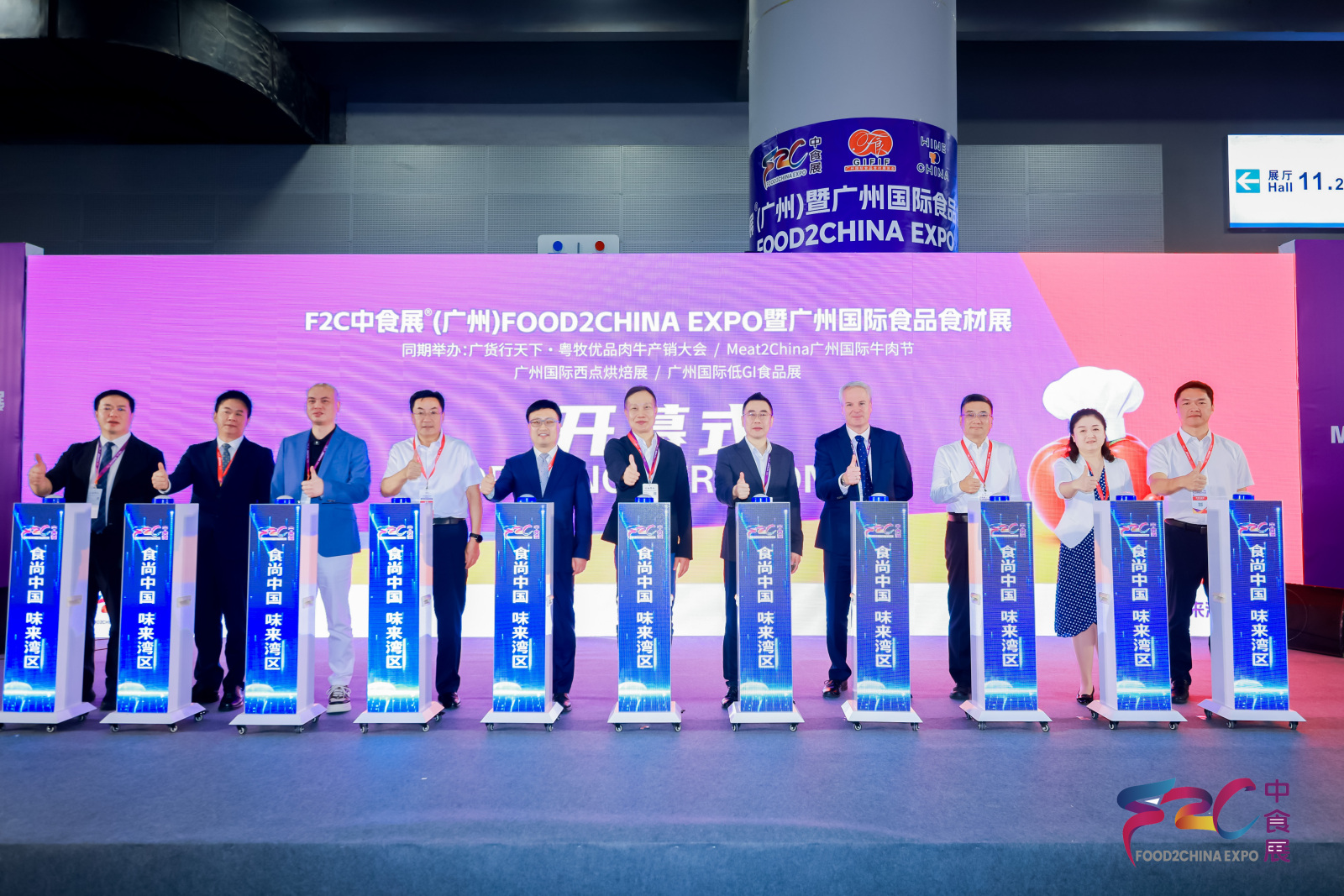
With seamless connectivity to both the bay and the sea, this dual-directional hub is revitalizing global food and beverage trade.
The 2026 Food2ChinaExpo leverages Guangzhou and the Greater Bay Area as its strategic hubs, simultaneously facilitating the dual objectives of "bringing premium overseas products into the Bay Area" and "enabling landmark domestic products to go global."
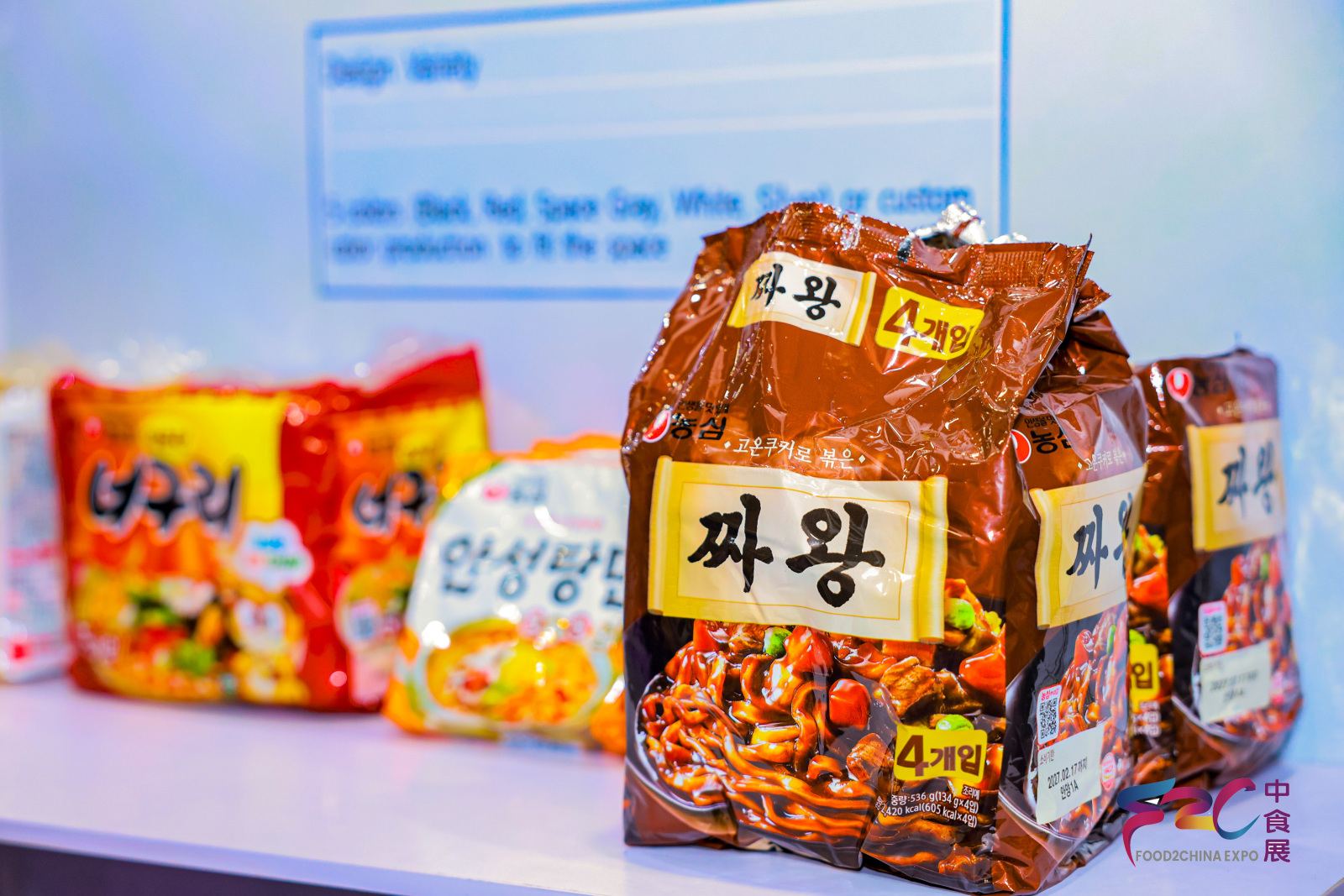
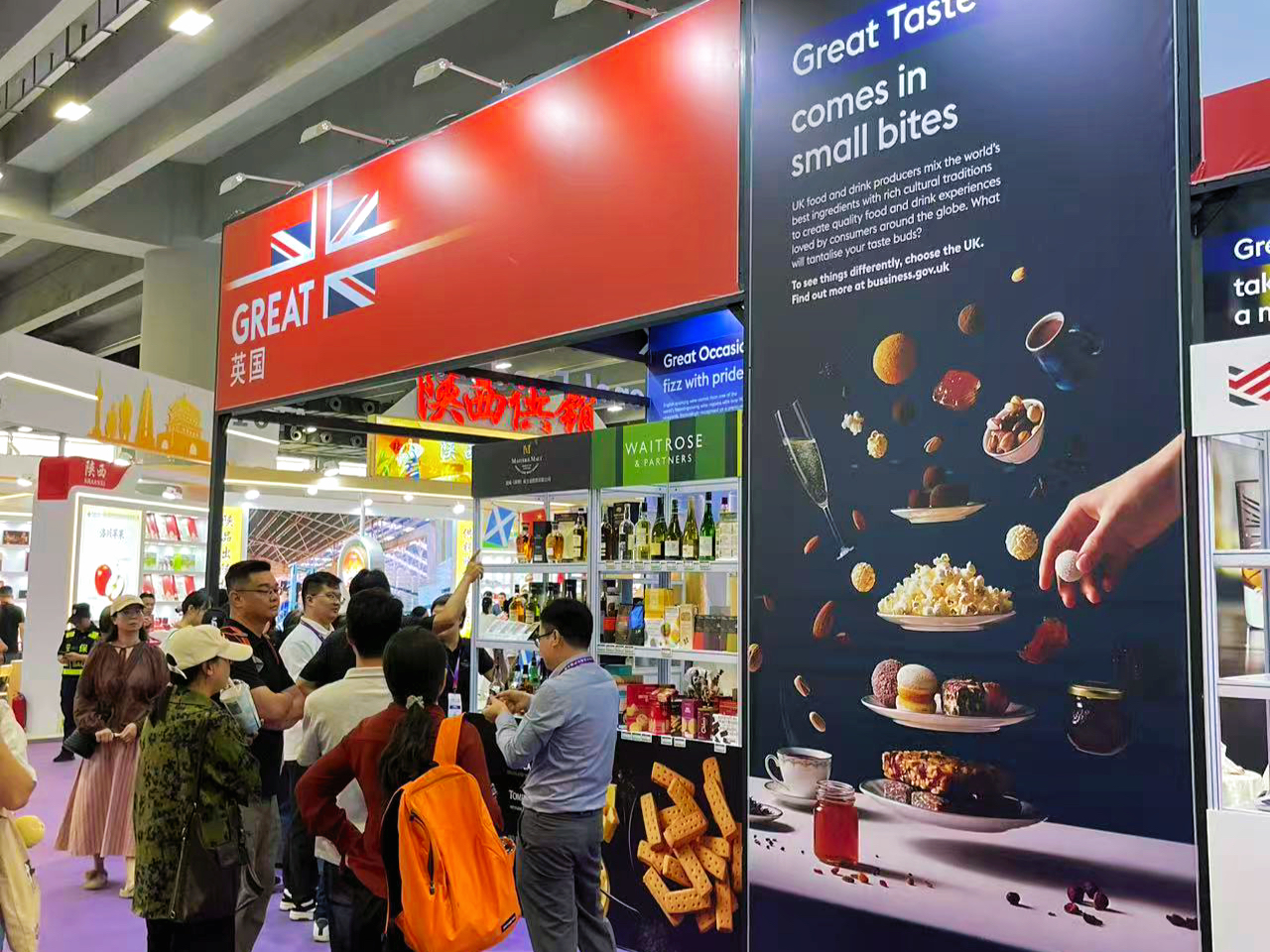
Internationally, enterprises from multiple countries—including Australia, South Korea, Russia, Spain, the United Kingdom, Brazil, Uruguay, Belgium, Kenya, and Chile—concentrated their presence in Guangzhou, designating it as the "first stop in China" for overseas food products. The exhibition hall featured Australian red meat, British whiskies, Russian grains and oils, Spanish olives, South American beef, Belgian chocolates, Kenyan black tea, and Chilean wines. Leveraging the Greater Bay Area's supermarket chains, catering supply chains, cross-border e-commerce platforms, and professional omni-channel buyers, these overseas trade delegations used Guangzhou as their gateway to the Bay Area, seamlessly integrating on-site product displays, channel order trials, distribution within South China, and nationwide market penetration.
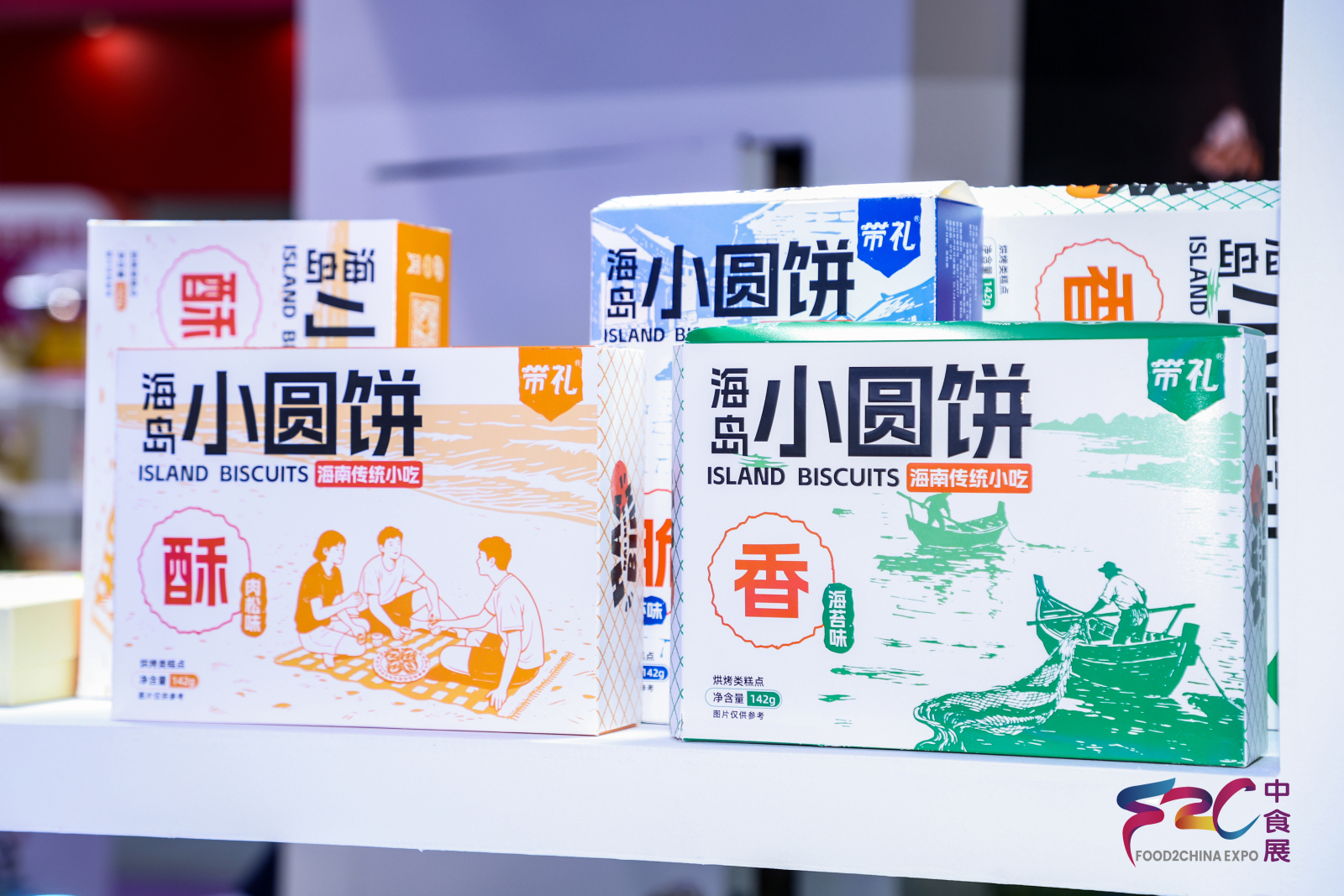
Domestically, delegations from over 20 provinces and municipalities—including Guangdong, Hainan, Hunan, Hubei, Sichuan, Guizhou, Shaanxi, Gansu, Ningxia, Jilin, and Heilongjiang—collectively showcased geographical indication products: Xinhui dried tangerine peel, Chaoshan beef balls, Hainan coffee, Hunan tribute vegetables, Hubei hot dry noodles, Guizhou sour-tomato cili berries, Shaanxi selenium-enriched tea and Xifeng liquor, Gansu Lili Dingxi noodles, Ningxia Liupanshan beef, Jilin ginseng, and Heilongjiang Wuchang rice. These products were presented as direct offerings from their respective production regions, enabling local specialties to access broader markets through Guangzhou.
The overseas exhibition route is supported by the organizers' global resources: this edition leverages four major international food exhibitions—Super Rio Expofood in Rio de Janeiro, Brazil; IIFB & MoreFood Expo in Indonesia; MIFB in Malaysia; and SIGEP Asia in Singapore—covering key markets in South America and Southeast Asia. This initiative provides domestic exhibition delegations with a seamless pathway from the Greater Bay Area to successful overseas deployments.
Chen Wei, deputy director of the Commercial Development Center and representative of the exhibition organizer, emphasized that the food and beverage industry—serving as a foundational sector for safeguarding people's well-being—is now embracing new opportunities for high-quality development. The potential of China's ultra-large market is gradually being unlocked, and consumer preferences are shifting from "eating well" to "eating healthily." The F2C Food Exhibition (Guangzhou) aligns with this trend by striving to establish a high-level trade platform that aggregates premium product offerings and drives healthy consumption, leveraging the exhibition's concrete initiatives to support the overarching strategy of expanding domestic demand. In terms of its exhibition category layout, this edition of the event places a strong focus on the domestic economic circulation, featuring multiple regional specialty exhibition delegations. The showcased products span a wide range of categories—including green agricultural products, snack foods, and health foods—effectively addressing the growing demand for a better quality of life among consumers.
Huang Xiaofeng, Deputy Director of the Guangzhou Council for the Promotion of International Trade and Vice President of the Guangzhou International Chamber of Commerce, stated at the opening ceremony that, as an international trade and commerce hub and a core city of the Guangdong-Hong Kong-Macao Greater Bay Area, Guangzhou has consistently striven to establish an efficient matchmaking platform for global food enterprises. He fully recognized the pivotal role of the Food2ChinaExpo in fostering food trade and driving industrial upgrading, and expressed his hope that all parties would seize the opportunities presented by this exhibition to deepen cooperation and share in the development dividends of the Greater Bay Area.
Mr.Gary Hunt from the United Kingdom particularly emphasized that this exhibition showcases the diversity, exceptional quality, and rich heritage of British food and beverages. Chinese consumers are placing increasing emphasis on quality, origin, and brand storytelling, and the UK's traditional strengths in quality, innovation, and food safety align perfectly with this trend. We look forward to leveraging the Food2ChinaExpo platform to further deepen China-UK food trade—serving as a vivid illustration of how "Flavor to the Bay Area" has evolved from a vision to tangible trade achievements.
Precise alignment of supply and demand, coupled with synergy between production and distribution channels, to jointly establish a comprehensive commercial and trade ecosystem.
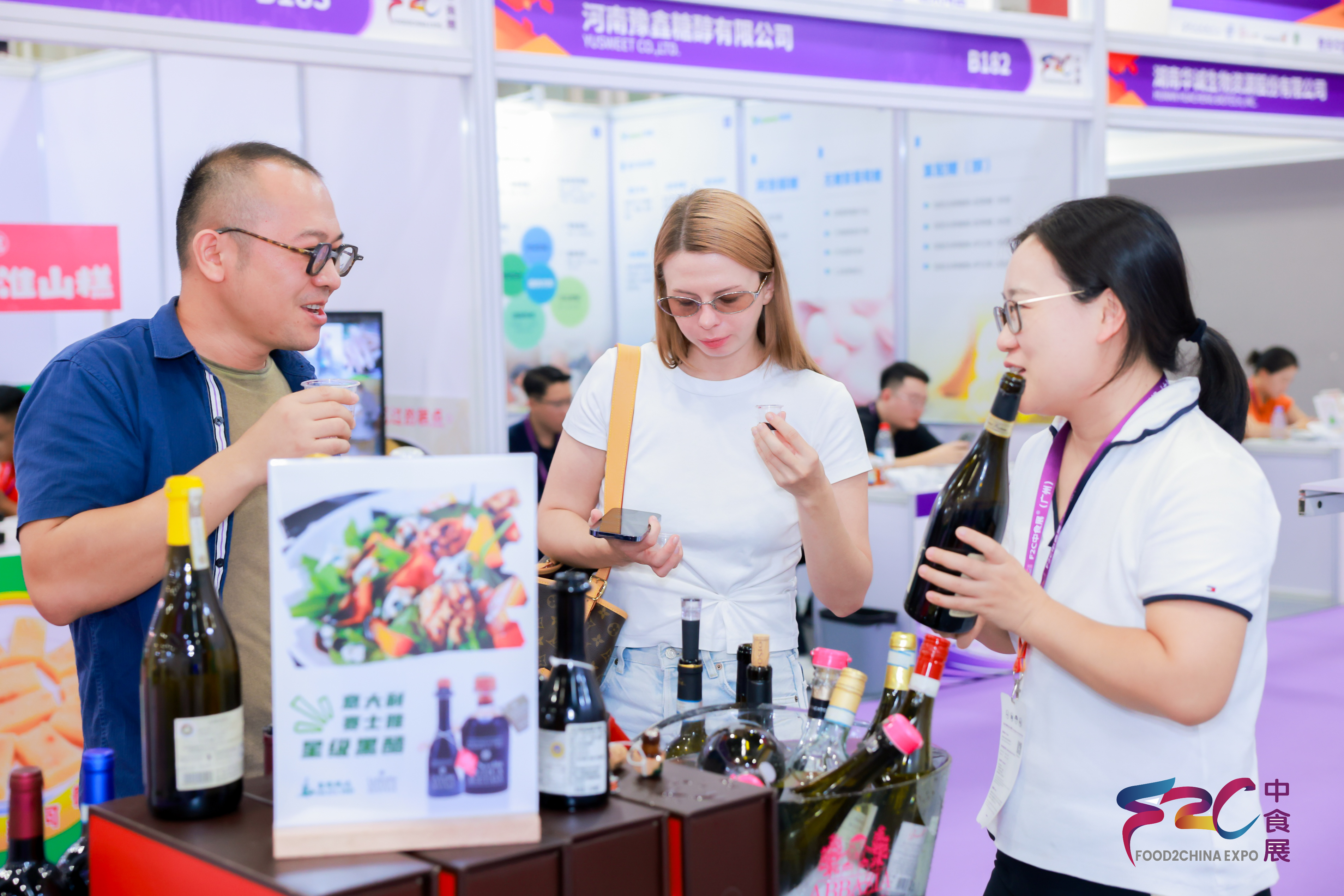
With exhibitors gathered and market trends becoming clearer, the ultimate goal is to secure transactions. This edition of the Food2ChinaExpo, in collaboration with industry associations and trade organizations—including the Guangdong Provincial Imported Food Association, the Guangdong Provincial Cattle Industry Development Promotion Association, the Guangdong Provincial Food Culture Research Association, the Foshan Food Industry Association, the Zhuhai Food Safety Association, and the Guangzhou Nansha District Food Safety Promotion Association—has specifically invited professional buyers to participate, covering key distribution channels such as supermarket chains, catering supply chains, community group purchasing platforms, and e-commerce platforms.
The organizers proactively collected supply and demand lists and conducted online pre-matching, while setting up a dedicated product selection and matchmaking zone on-site—significantly accelerating the entire process from discovering new products to finalizing cooperation intentions. During the three-day exhibition period, trade leads circulated rapidly and were efficiently converted on-site, transforming the Food2ChinaExpo from a "display window" into a "transaction hub."
Three major trends are converging: health-oriented, landmark-driven, and intelligent transformation—redefining consumer behavior.
The exhibits in this edition reflect three major transformations on both the consumer and industrial sides.
First, healthification has become the central theme.
The exhibition featured a theme centered on low-GI foods, with a concentrated debut of products such as sugar-controlled rice and flour products, sucrose-free baked goods, and meal replacement bars. Multiple companies, including LISC, Fangguang Foods, and Hebei Yizhong Noodles, showcased low-glycemic solutions spanning from raw materials to finished products—ranging from a low-GI staple food series developed using Australian high-amylose wheat to nutritional products tailored for individuals managing blood sugar levels, extending from infant complementary foods to broader consumer segments. Concurrently, at the Low-GI Health Food Innovation and Development Forum, experts conducted in-depth analyses of key trends in blood sugar management, compliant food formulations, selection of sweeteners, and marketing strategies, aligning these discussions with the broader context of "Healthy China" and the ongoing formula restructuring efforts among baking and food manufacturers.
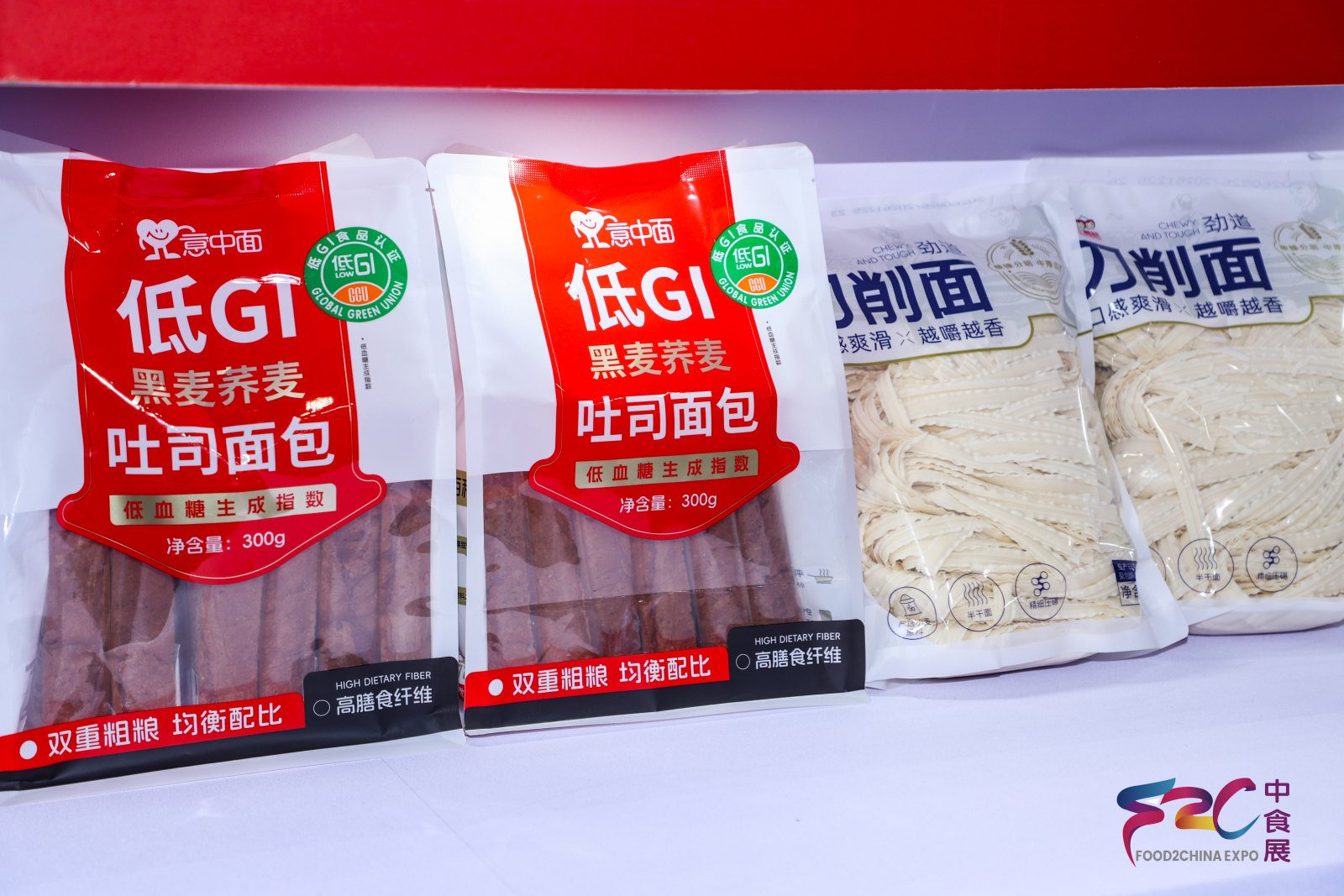
Secondly, leveraging iconic status to break through conventional boundaries.
Geographical indication products and local specialties—including Guangdong's Xinhui dried tangerine peel, Chaoshan beef balls, Nansha Nanxiang sea lychee, Hainan coffee, Hunan's "舌尖" Dongting crisp and refreshing tribute dishes, Hubei's hot dry noodles, Sichuan's Cao-style duck neck, Guizhou's sour soup and prickly pear, Shaanxi's selenium-enriched tea and Xifeng liquor, Gansu's Lanzhou dried lilies and Dingxi wide noodles, Ningxia's barbary wolfberry dried fruits, Jilin's Changbai Mountain sliced ginseng and "Yunding Tiangong" celebrity-ginseng milk tea, and Heilongjiang's Wuchang rice—have entered the Greater Bay Area through direct supply from their respective production regions.
Feng Qinghua, member of the Standing Committee of the Yangxi County Party Committee, executive deputy county mayor of Yangxi, and secretary of the Party Working Committee of Yangxi High-tech Industrial Development Zone, stated that Yangxi is leveraging the "Yangxi Selenium-Enriched Premium Products" initiative to promote the integration of premium mountain and coastal products into the bay area. Building on its reputation as the "Capital of Condiments in China," leading enterprises such as Fengyi International, Kraft Heinz, Chubang, and Zhimeizhai will collectively participate in this exhibition. They are also utilizing the Food2ChinaExpo—a key hub in the Guangdong-Hong Kong-Macao Greater Bay Area—to transform the slogan "Guangzhou products reaching the world" into tangible orders.
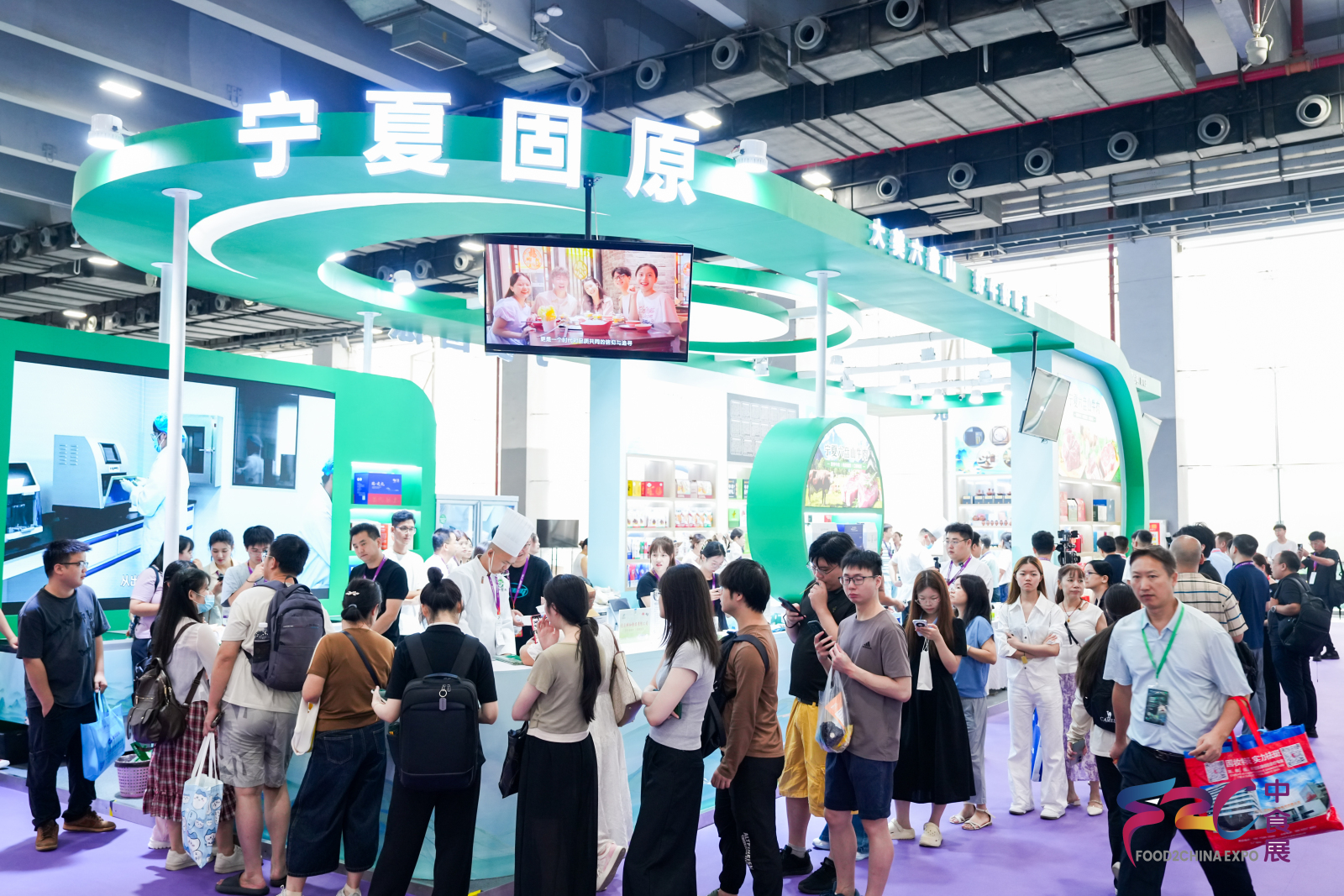
Third, the entry of intelligent technologies.
The application of AI in the food industry has evolved from exhibition displays to actual production lines: AI-assisted formula design, intelligent product selection and matching, and digital traceability solutions were prominently showcased. Yunshihui unveiled the world's first vertical AI large model platform dedicated to international trade of food and agricultural products, while companies such as Runjian Co., Ltd. demonstrated practical achievements of AI in enhancing supply chain efficiency. This represents a vivid illustration of "new quality productive forces" in the food sector—where technological empowerment is injecting dual new dimensions of quality and efficiency into "Food Fashion China."
From production regions to dining tables, the Meat2China Beef Festival showcases a new ecosystem for the global beef industry.
The Meat2China Guangzhou International Beef Festival stands as the most popular on-site event of this year. Beef-producing regions—including Zhangye, Guyuan, and Hulunbuir—hosted dedicated promotional sessions, introducing regional brands such as "Zhangye Beef Cattle," "Ningxia Liupanshan Beef," "Guyuan Yellow Cattle," and "Hulunbuir Grassland Mutton" to buyers in the Greater Bay Area. The event also featured a dialogue among diverse beef offerings: Chaoshan beef hot pot, Australian aged wagyu, Brazilian premium beef, and the authentic grassland character of Hulunbuir beef and mutton. The promotional activities evolved into product tastings, tastings led to business negotiations, and negotiations ultimately resulted in concrete orders—within three days, the producing regions and distribution channels completed a full closed-loop process, moving from "listening to presentations" to "signing contracts."

At the opening ceremony, Yang Shengjun, vice mayor of the People's Government of Guyuan City in the Ningxia Hui Autonomous Region, stated that Guyuan serves as both a hub for the beef cattle industry in Northwest China and a vital source of high-quality protein for the Greater Bay Area. He expressed his expectation that, through the F2C Zhongshi Exhibition® (Guangzhou) platform, "Liupanshan Beef" could be delivered directly from Northwest pastures to the dining tables of the Greater Bay Area, thereby forging a path toward high-quality development characterized by east-west industrial collaboration and joint brand building.
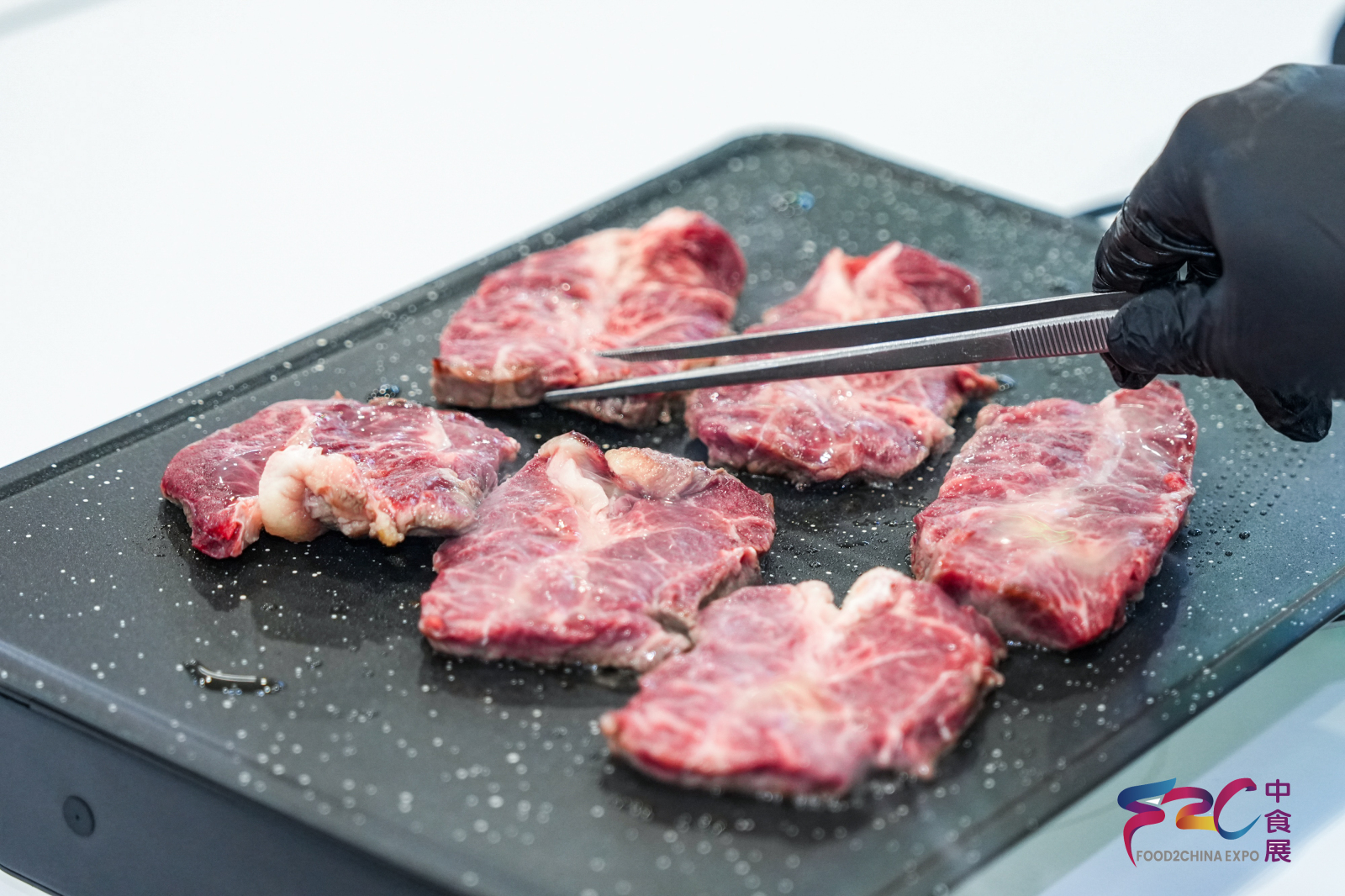
In response to the vast market demand in the Greater Bay Area, Chen Xiaoshen, president of the Guangdong Provincial Beef Industry Development Promotion Association, noted that Guangdong's annual beef consumption has exceeded one million tons, yet the self-sufficiency rate of the Greater Bay Area remains below 6%. The "Guangdong Products Across the Globe · Guangdong Beef Quality Products Production and Marketing Conference" will systematically showcase the strategic pathways for revitalizing Guangdong's beef industry at the Meat2China Guangzhou International Beef Festival. These pathways include the launch of a digital traceability management platform, as well as the establishment of in-depth synergistic mechanisms—such as "Greater Bay Area Market + National Resources," "Guangdong Brands + National Production Bases," and "Guangdong Standards + National Production Capacity" —to achieve end-to-end traceability and full-process controllability, thereby supporting "deepening domestic sales within the Greater Bay Area and expanding overseas markets globally."
Industry leaders convene to assess trends; over 20 events set the direction for the coming year.
The more than 20 concurrent forums and competitions have extended the professional value of the exhibition from "viewing products" to "identifying strategic directions."
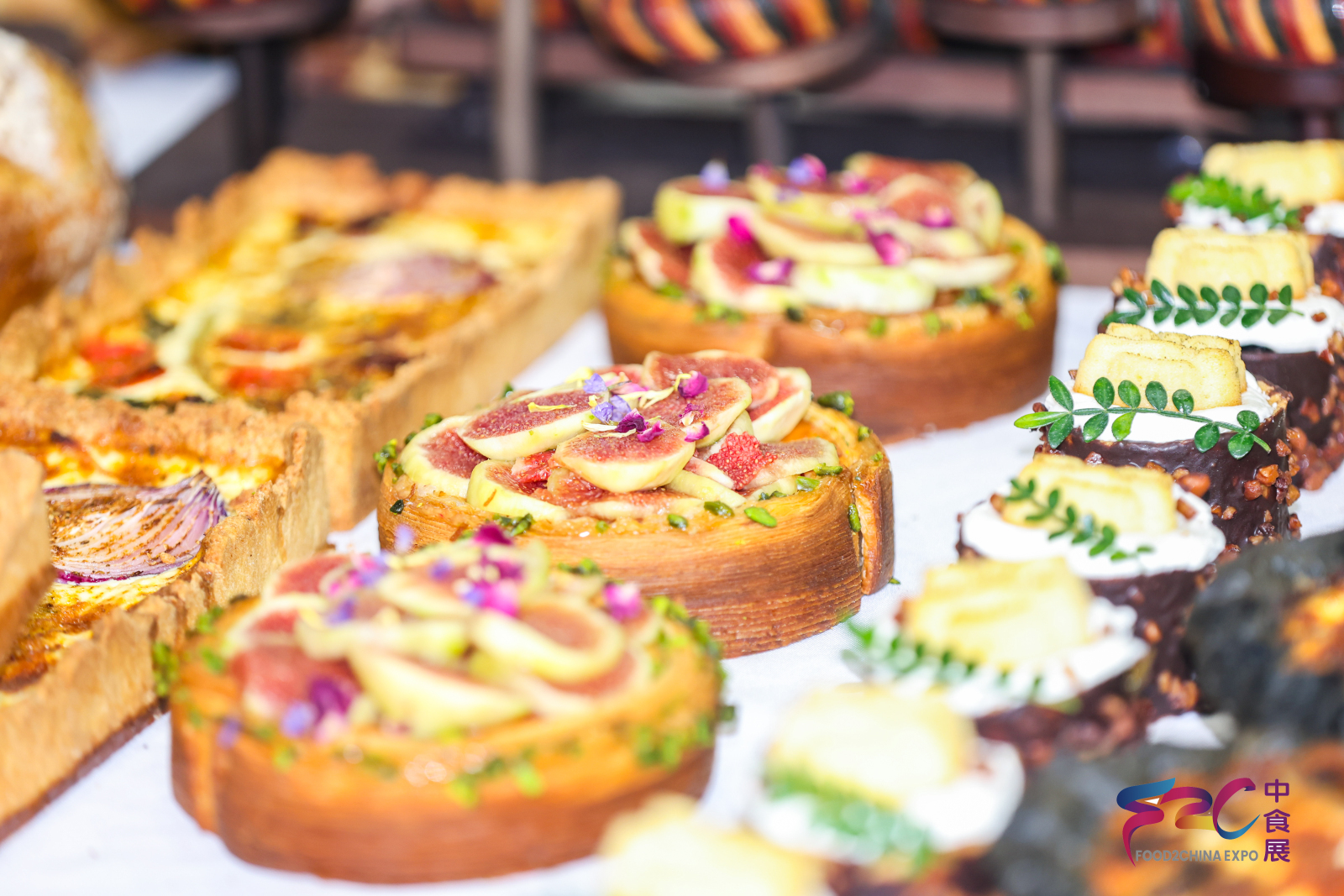
The winners of the 4th Asian Youth Baking Competition, which has received certification from the World Association of Chefs (WACS), and the finalists of the China regional finals of the 6th International City Cup World Bread Competition, will represent China in the global finals held in Italy. The co-hosting of these two major baking competitions serves as a window for Chinese baking craftsmanship to take the world stage. The Greater Bay Area International Food & Wine Curator Festival focuses on food and wine pairing and profit models; the online influencer and community group buying product selection promotion event employs demand-driven matching strategies to facilitate efficient connections between brands and emerging distribution channels. Additionally, regional specialty product promotion events are held in succession, where trends, techniques, and distribution channels converge, transforming industry insights into actionable orders and supply chain resources.
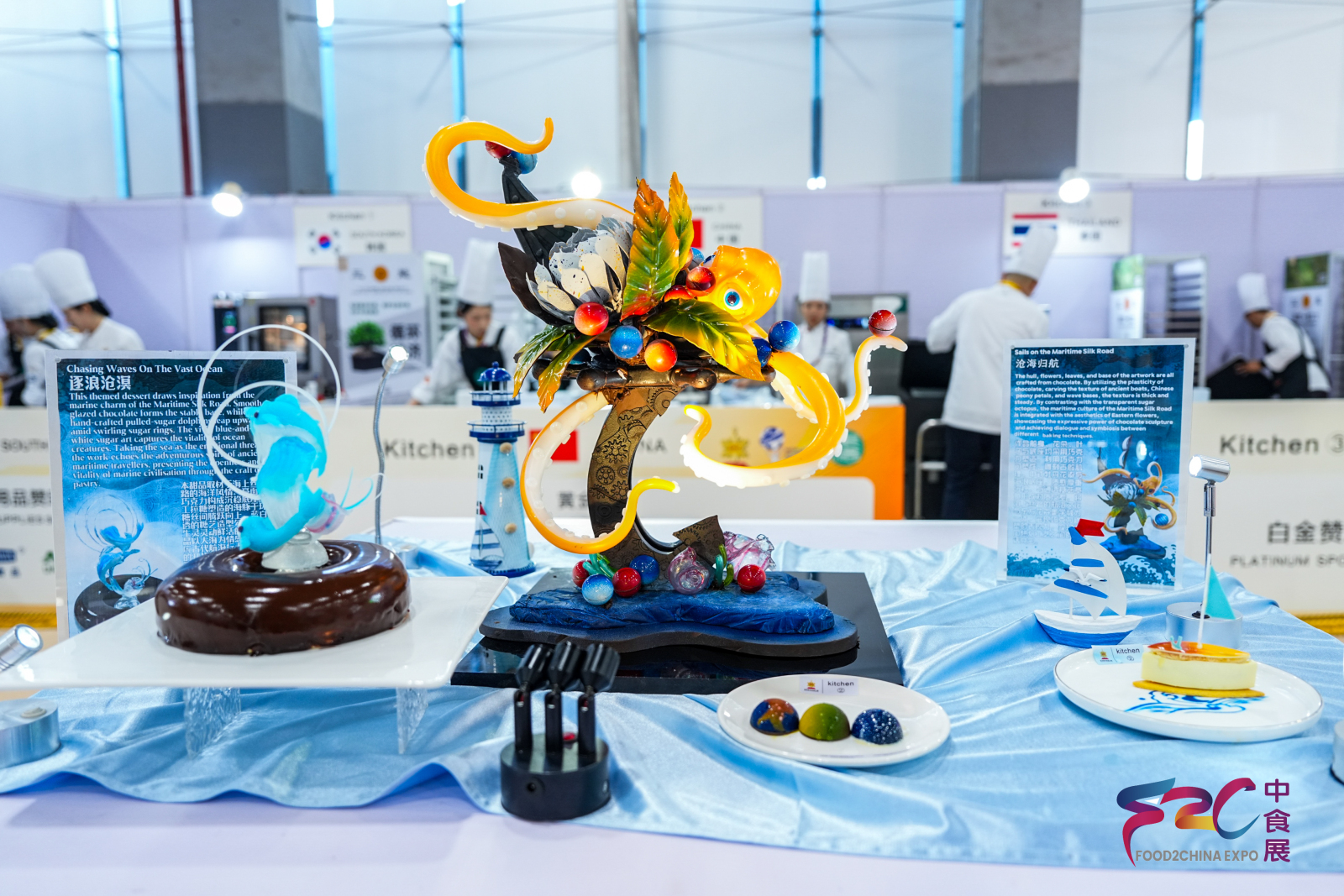
Food2ChinaExpo, having been deeply rooted in South China for decades, is evolving into a globally influential food trade event and has become the premier platform for the food industry to showcase and trade a full range of high-quality new products. In the current context of ongoing deepening of the "dual circulation" strategy and the food industry's shift toward new development paths, this exhibition serves not only as a mirror reflecting the openness and vitality of the Chinese market, but also as a bridge connecting the regional characteristics of production areas with the opportunities offered by the Greater Bay Area.
The exhibition will run until September 12. We cordially invite fellow professionals in the food industry to visit Area B of the Canton Fair Exhibition Hall in Guangzhou and explore the future of food trends together!